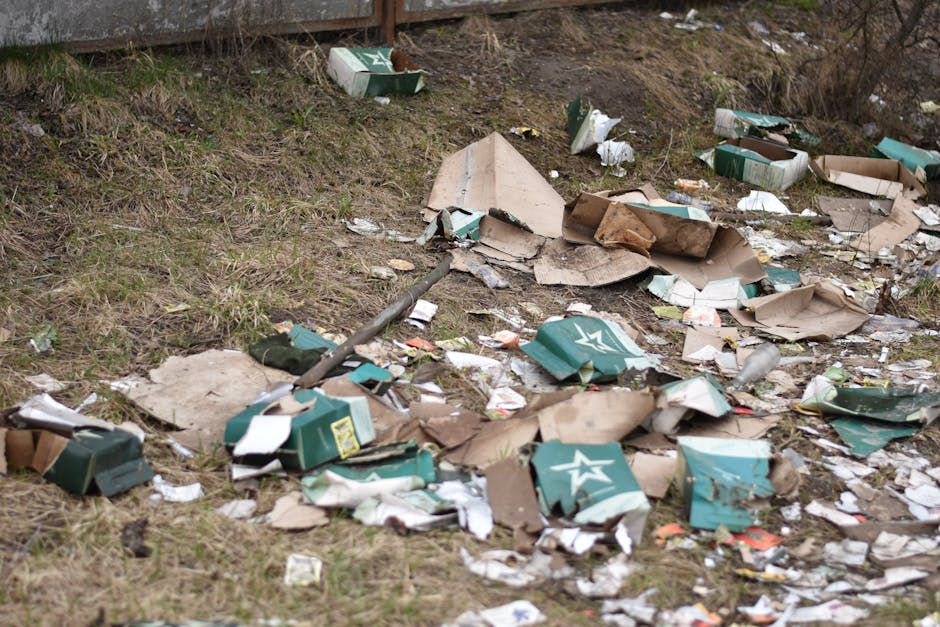
St Helier estate garden rubbish clearance Sutton
Posted on 03/09/2026
St Helier estate garden rubbish clearance Sutton: a practical local guide
If you live on St Helier Estate and the garden has got away from you a bit, you are not alone. A few bags of hedge cuttings can turn into an awkward pile of branches, soil, broken pots, and old garden furniture before you know it. That is where St Helier estate garden rubbish clearance Sutton becomes genuinely useful: a fast, tidy way to clear outdoor waste without turning your weekend into a never-ending loading job.
This guide explains what garden rubbish clearance usually involves, how the process works, what to look out for, and how to get the best outcome if you are clearing a front garden, rear garden, communal area, or a property that simply needs a proper reset. It is written for real life, not perfection. Because, let's face it, gardens are rarely neat little magazine spreads.
Quick takeaway: the best garden clearance is not just about removing waste quickly. It is about sorting it properly, protecting surfaces, keeping access safe, and making sure the waste is handled in a compliant and responsible way.
Contents
- Why St Helier estate garden rubbish clearance Sutton Matters
- How St Helier estate garden rubbish clearance Sutton Works
- Key Benefits and Practical Advantages
- Who This Is For and When It Makes Sense
- Step-by-Step Guidance
- Expert Tips for Better Results
- Common Mistakes to Avoid
- Tools, Resources and Recommendations
- Law, Compliance, Standards, or Best Practice
- Options, Methods, or Comparison Table
- Case Study or Real-World Example
- Practical Checklist
- Conclusion
- Frequently Asked Questions
Why St Helier estate garden rubbish clearance Sutton Matters
Garden waste builds up in a very ordinary way. A weekend of pruning, a bit of turf lifting, a broken shed panel, a rusty barbecue, and suddenly the outdoor space feels smaller and harder to use. On St Helier Estate, that matters even more because gardens, paths, side access points, and shared boundaries can be tight. Waste left sitting around can block access, look messy, and in some cases create trip hazards or nuisance for neighbours.
There is also the simple quality-of-life factor. A clean garden changes how a property feels. It is easier to mow, easier to enjoy, and far less stressful to keep on top of. If you are preparing a home for sale, letting, or just trying to make the space usable again, the difference after a proper clearance can be surprisingly dramatic. One morning of work can change the whole tone of a place.
For many households, the biggest issue is not the waste itself. It is the handling of it. Garden cuttings are bulky, thorny, damp, and heavier than they look. Mixed waste often includes timber, plastic pots, old furniture, and sometimes materials that need separate disposal. A professional approach saves time, but it also reduces the risk of dumping the wrong items in the wrong stream.
That is why the topic is bigger than "just taking a few bags away". Garden rubbish clearance helps keep outdoor areas safe, improves kerb appeal, and makes it easier to reuse or recycle materials properly. If your outdoor space has become a bit of a catch-all, this is the sensible way back.
For readers comparing wider waste options, it can also help to look at the broader services overview to understand how garden waste fits alongside other household and property clearance needs.
How St Helier estate garden rubbish clearance Sutton Works
Most garden clearance jobs follow a fairly simple pattern, although the details depend on access, volume, and what is actually being removed. In practice, the process often begins with a quick assessment. That might be a photo-based quote, a short visit, or a conversation about what has built up outside. The clearer you can be upfront, the smoother the job tends to go.
Typical garden rubbish includes grass cuttings, hedge trimmings, branches, weeds, soil, leaf litter, damaged plant pots, rotted fencing, broken garden furniture, and general outdoor clutter. In some cases, there may also be builders' leftovers from a landscaping project, which can shift the job into a mixed clearance rather than a pure green waste removal. Mixed loads need a bit more sorting, and that is normal.
Once the scope is agreed, the clearance team usually arrives with the right vehicle, labour, and protective equipment. The waste is loaded by hand or with basic tools, depending on the site. Good teams work carefully around lawn edges, paving, flowerbeds, communal walkways, and parked cars. You want the mess gone, yes, but you do not want a trail of muddy footprints and scratched slabs left behind. Nobody needs that extra headache.
After collection, waste should be sorted for reuse, recycling, or disposal. Green waste can often be processed separately from wood, metal, plastics, and general rubbish. If you want a better sense of responsible handling, the company's approach to recycling and sustainability is worth reviewing before you book.
If you are unsure whether your job is small or large, think in terms of access and handling rather than just volume. A few awkward items down a narrow side passage can be more time-consuming than a larger pile sitting neatly by the gate. That is one of those little realities people only learn once they have tried to move a wheelbarrow through a hedge. Not fun.
Key Benefits and Practical Advantages
Garden rubbish clearance is practical, but it also brings a few less obvious benefits that matter day to day. The most obvious one is time. You do not have to bag, load, transport, and unload waste yourself. That alone can save a surprising amount of effort, especially if you do not have a van or if the local recycling trip would take half the day.
Another key advantage is consistency. A proper clearance team removes the waste in one go, which is particularly useful if the job has gone beyond "I'll deal with it next weekend". The mental load drops as soon as the piles disappear. Truth be told, that feeling is often as valuable as the cleared space itself.
There is also a safety benefit. Branches, broken terracotta, rusted metal, and hidden nails are exactly the sort of things that catch people out. If you have children, pets, or older residents using the garden, removing hazards promptly makes sense. Even a small patch of clutter can turn into an unnecessary trip risk after dusk, when the light starts to fade and the edges disappear.
Finally, a cleaner garden can support property presentation. If you are preparing for a viewing, rental inspection, or simply trying to make the front of the home more presentable, the outside space often sets the tone. People notice what they see first. A neat drive, path, or front garden does a lot of quiet work.
- Less lifting and shifting for you
- Faster access to a usable garden
- Safer removal of awkward or sharp waste
- Better recycling of suitable materials
- Improved appearance for the property
If the clearance forms part of a broader household job, it may be helpful to compare it with domestic waste collection in Sutton so you can see which option suits your situation best.
Who This Is For and When It Makes Sense
This type of clearance is useful for a wide range of people. Homeowners use it after seasonal pruning, garden redesigns, or long periods where the outdoor space has been neglected. Landlords may need it between tenancies, especially if a tenant has left behind garden furniture, old plant pots, or overgrown waste. Property sellers often need a quick tidy-up before photos or viewings. On a practical level, it is often the outside space that makes the first impression, so it pays to get it right.
It also makes sense for older residents who can maintain the garden but not lift the waste, and for busy families who would rather spend Saturday at home than making repeated trips to the tip. Some people simply have the tools to do the cutting but not the means to remove everything. That mismatch is more common than you might think.
Garden rubbish clearance is especially sensible when the waste is:
- too bulky for household bins
- too heavy for one person to move safely
- mixed with non-green items
- awkward to transport in a car
- needed to be removed quickly before a deadline
If your project also includes old outdoor seating, broken sheds, fencing, or even a bit of accumulated indoor clutter, you may need a broader service. In those cases, it can help to read about house clearance in Sutton or furniture removal support if the job has drifted beyond the garden.
There is a moment many people recognise: standing at the back door looking at a pile of green waste and thinking, "I can do that... but not today." Fair enough. Sometimes the right answer is to hand the job over and get the space back.
Step-by-Step Guidance
Here is a straightforward way to approach garden rubbish clearance without making it more complicated than it needs to be.
- Walk through the garden and identify everything that needs removing. Separate green waste from timber, metal, plastics, and general rubbish if you can. It makes quoting and sorting easier.
- Check access points. Note side gates, narrow passages, steps, muddy areas, and whether the waste needs to be carried through the house. These details matter more than people expect.
- Take a few clear photos. A wide shot and a couple of close-ups usually help. If there are awkward items, show them clearly rather than leaving them as a surprise.
- Decide whether the job is garden-only or mixed waste. Mixed jobs can include old sheds, broken paving, soil bags, branches, or leftover materials from small works.
- Ask how the waste will be handled. Good providers should explain whether items will be separated for recycling, reused where possible, or taken away for disposal.
- Choose a convenient time slot. If you have parking limitations or neighbour access concerns, plan around them. A bit of timing can make the whole thing calmer.
- Prepare the area. Move cars, unlock gates, and keep pets safely inside. Tiny prep steps can save a lot of stop-start hassle.
- Do a quick final sweep before loading begins. This is your chance to add forgotten bits. It happens constantly. A half-buried pot here, a bag of clippings there.
After the clearance, take a final look at what remains. If you are planning further garden work, it is worth leaving the area clean enough for the next stage. There is nothing quite like clearing everything only to realise the broken planter was hiding the drain cover. Minor drama, but avoidable.
Expert Tips for Better Results
Over time, a few patterns become obvious. The best results usually come from being clear, realistic, and slightly more organised than you think you need to be. Not obsessive. Just prepared.
Tip 1: group waste by type before collection. A pile of green waste, a pile of timber, and a pile of general rubbish is easier to assess than one mixed mountain. Even a rough sort helps.
Tip 2: be honest about hidden waste. If a garden shed contains old tools, plastic containers, or broken shelving, say so. Surprise items slow everything down and sometimes change the price.
Tip 3: make access easier than you think necessary. Open gates, move bins, and clear the path to the main waste pile. A clear route saves labour and prevents damage.
Tip 4: ask about recycling before you book. Garden waste, wood, metal, and some plastics may be separated rather than thrown into one mixed load. That is better for the environment and usually better practice overall.
Tip 5: match the service to the job. A small tidy-up may only need a simple collection. A larger job with mixed materials may be better handled as part of a broader waste removal plan. If you are dealing with heavy debris, see whether builders' waste removal in Sutton is a closer fit.
Tip 6: check the final payment and paperwork in advance. A professional service should be transparent. If you want to understand how pricing, booking, and payment normally work, it is sensible to review pricing and quotes and payment and security before confirming anything.
One small but useful habit: keep a running list of outdoor waste as it builds up. A bit of hedge trimming here, a broken chair there. It prevents that end-of-season shock when the pile suddenly looks like a full-on demolition site.

Common Mistakes to Avoid
A lot of clearance problems are avoidable. Not all of them, of course, but enough to make a difference.
1. Underestimating access issues. A job can look tiny from the back step and then become awkward once you realise the only route is through a narrow side path. Always check the route.
2. Mixing everything together without thinking. Green waste is not the same as old fencing, broken ornaments, or rubble. Mixed waste can still be removed, but it should be planned properly.
3. Leaving it too late. If you need the garden clear before a move, sale, event, or inspection, build in a bit of breathing room. The last thing you want is a rushed clean-up on the eve of a deadline.
4. Choosing purely on price. Cheap is not always cheap if the team is late, unclear, uninsured, or unprepared. The lowest quote on paper can turn into a messy job in real life.
5. Forgetting about shared areas. On estates and in close residential layouts, waste movement can affect neighbours, paths, and access points. That should be handled with care and a bit of courtesy. It matters.
6. Assuming all garden waste can go in one load without sorting. Some waste is fine to mix, some is better separated. A responsible provider should explain the difference clearly.
If you want to understand the company side a bit better, it can help to review their waste carrier licence and compliance information, plus the practical insurance and safety details. Those pages are useful for peace of mind, and honestly, they should not be buried in the small print.
Tools, Resources and Recommendations
You do not need a garage full of specialist kit for a normal garden clearance, but a few basic tools and good resources make life easier. If you are doing part of the job yourself before collection, the usual helpers are heavy-duty bags, gardening gloves, secateurs, a rake, a shovel, and a wheelbarrow. That said, if the waste is thorny or damp, gloves alone are sometimes not enough. I once watched someone try to move bramble cuttings in summer shoes. Not recommended. At all.
For planning, take photos in daylight. Morning or late afternoon light is usually best because it shows shape and volume more clearly. If you are dealing with a garden after rain, wait for a drier moment if possible; wet branches and mud weigh more than they look. Tiny detail, big difference.
Useful supporting pages on this website include:
- garden waste removal in Sutton for green waste-specific collections
- recycling and sustainability for responsible waste handling
- about us if you want to understand the company background
- services overview if your garden project overlaps with other rubbish removal needs
If your garden job is connected to a broader move, renovation, or estate change, there are also some useful local reading points. The page on a savvy buyer's guide to Sutton real estate gives helpful context if you are dealing with property decisions, while purchasing and selling homes in Sutton and considering Sutton: local advice can be useful if the clearance is part of a larger move.
Law, Compliance, Standards, or Best Practice
For most homeowners, the main thing to understand is simple: waste should be handled by someone who is properly set up to carry and dispose of it. In the UK, that means checking the waste carrier status of the business, making sure the material is taken to appropriate facilities, and avoiding anyone who seems vague about where the waste ends up.
You do not need to become a compliance expert. But you do want to know the basics. If a provider cannot clearly explain how they operate, where waste goes, or what happens to recyclable material, that is a warning sign. Garden waste might seem harmless, but mixed loads can still contain items that need proper handling.
Best practice usually includes:
- clear pricing before work begins
- appropriate insurance for loading and removal
- safe lifting and carrying practices
- sorting of recyclable or reusable items where practical
- respect for shared spaces, paths, and neighbouring properties
If you are comparing providers, it is sensible to look at the business's terms and conditions and privacy policy too. Not glamorous reading, no. But useful. Especially if you are booking online, sending photos, or arranging access details by message.
For people who care about ethical operation more broadly, it is also worth checking the company's modern slavery statement and related responsibility information. That does not affect the hedge trimmings in your garden directly, but it does tell you something about standards.
Options, Methods, or Comparison Table
There are usually three practical ways to deal with garden rubbish on St Helier Estate: do it yourself, book a specialist collection, or arrange a broader clearance service. Each has its place.
| Method | Best for | Strengths | Trade-offs |
|---|---|---|---|
| DIY disposal | Very small amounts of light green waste | Low direct cost, simple if you already have transport | Time-consuming, heavy lifting, multiple trips, access and parking issues |
| Garden waste collection | Routine pruning, hedge cuttings, leaves, branches | Fast, tidy, usually good for separate green waste handling | May not suit mixed rubbish or bulky broken items |
| Full rubbish clearance | Mixed outdoor waste, furniture, fencing, broken items | Convenient, flexible, handles more than just green waste | Can be more expensive than a simple green waste-only collection |
The best choice depends on what you are actually clearing. If it is mainly branches and clippings, a garden-specific collection is often the neatest option. If the garden has become a dumping ground for old seats, fencing, and household bits, a broader service is usually more efficient. There is no prize for forcing the wrong method.
Case Study or Real-World Example
Consider a fairly typical St Helier Estate scenario. A homeowner has spent several weekends trimming a back garden that had become overgrown after a long spell of neglect. The job starts with hedge clippings, then turns into old plant pots, a cracked parasol base, some rotten timber, and a broken bench that has been sitting in the corner for ages. By the time everything is gathered, the pile is bigger than expected and too awkward for a family car.
In that situation, a structured clearance works better than trying to do it piece by piece. The waste can be loaded in one visit, the green material separated where possible, and the heavy items removed safely without damaging the path or fence panels. The garden is left clear enough for follow-up work, whether that is turf repair, planting, or just enjoying a decent cup of tea outside without staring at a mess.
What tends to make the biggest difference in cases like this is not speed alone. It is clarity. The homeowner knows what will be removed, where the waste will go, and how much effort is needed. That takes a lot of uncertainty out of the process. And honestly, uncertainty is what usually makes people put the job off for months.
This is also where local knowledge helps. In neighbourhoods with narrow access, parked cars, and close neighbours, the team needs to move carefully and work neatly. You notice the difference straight away when a crew is used to handling residential waste in tight spaces.
Practical Checklist
Use this checklist before booking your garden clearance. It keeps things simple and avoids the usual surprises.
- Identify what is being removed: green waste, timber, furniture, metal, plastic, or mixed rubbish
- Check access routes, gates, steps, and any tight spaces
- Take clear photos in daylight
- Decide whether the job is garden-only or part of a bigger clearance
- Ask about recycling, disposal, and sorting methods
- Confirm pricing, payment, and timing
- Move vehicles, bins, or other obstacles out of the way
- Keep pets and children safely away during loading
- Make sure any communal or shared access is respected
- Do a final sweep so nothing important is left behind
If you tick most of those off, the job usually goes much more smoothly. Simple, but effective.
Conclusion
St Helier estate garden rubbish clearance Sutton is really about restoring order to a space that has become harder to manage than it should be. Whether you are dealing with hedge cuttings, broken outdoor items, or a mixed pile of old garden debris, the right clearance approach saves time, reduces stress, and gives you back a garden you can actually use.
The best outcomes come from good preparation, honest descriptions, and a service that understands access, safety, recycling, and local residential conditions. If you are planning work around a property move, a seasonal reset, or a simple overdue tidy-up, do not overcomplicate it. Get the waste out, get the space back, and move on with the nicer part of the day.
Get a free quote today and see how much you can save.